It is the beginning of the school year, and we have been working in schools and can see the excitement of the new academic year everywhere we go. Classrooms are newly set up with blank books for children to fill with knowledge and creativity throughout the year. There are hopes for each individual child that they will work hard and will achieve their full potential. Both staff and children are not too tired and there are positive vibes wherever we visit.
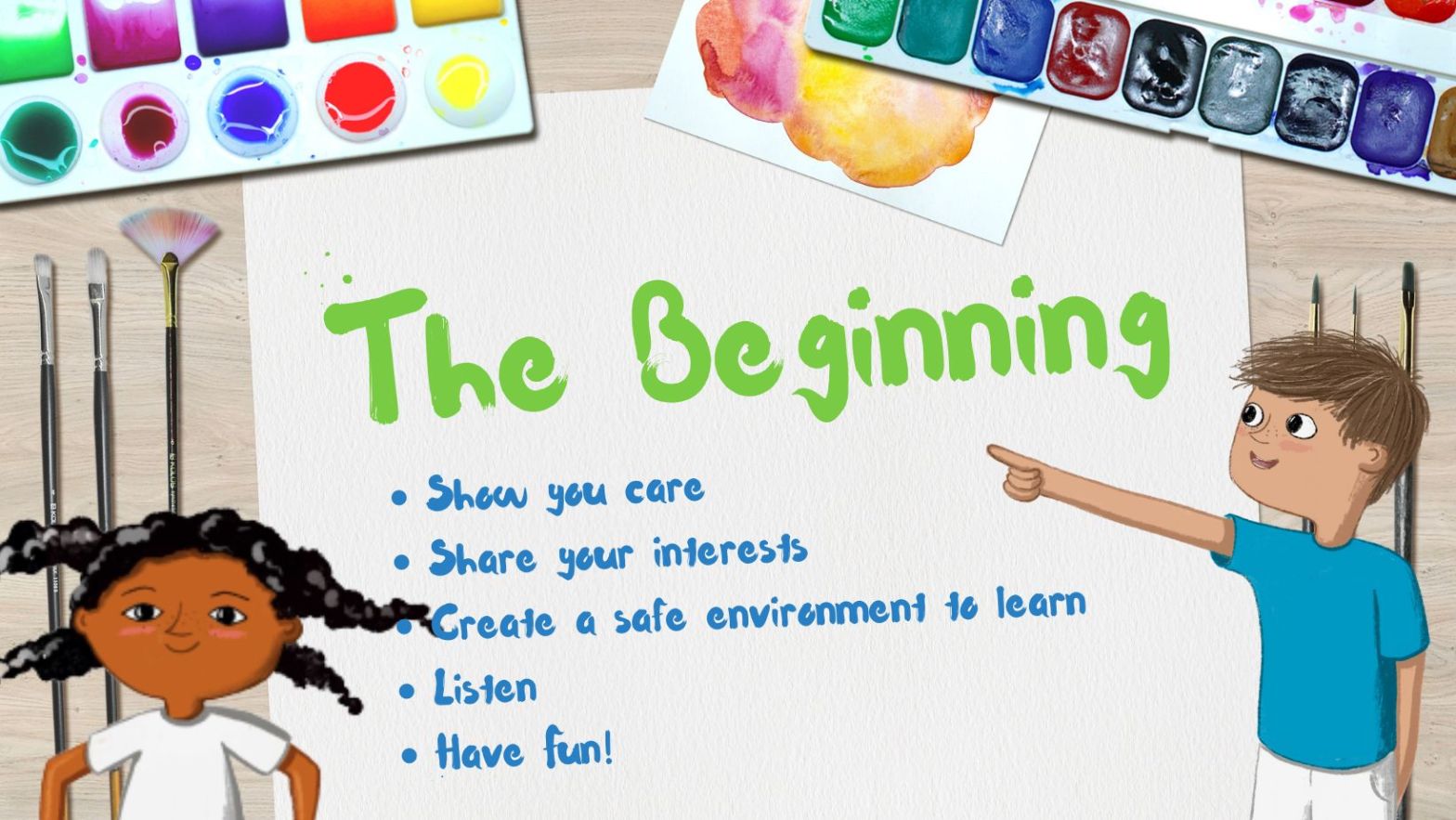
It is the beginning of the year, and the most important thing is for the children in schools to build positive trusting relationships with the adults who will be supporting them this year. Teachers and TAs – spend time getting to know the children in your class – find out what their interests are and what makes them happy. Show you care and are interested in them. When children feel liked and listened to, they are more likely to follow the rules and routines that are in place in your classroom. They will want to please you and will feel that they are safe in your care. Feeling safe, means they will take risks with their learning and will be willing to make mistakes and learn from them. Children will then build resilience which will help increase their self-esteem.

We both worked for a head once, who talked about an iron fist in a velvet glove which I have never forgotten. Have your boundaries in place; work with the children so they understand and believe in the rules and routines that you have set up in your class. Be consistent and persistent in your implementation of these (the iron fist). Alongside this, nurture, and care for the children. Tell them how amazing they are (everyone is good at something) and look for the positives in your classroom. Notice when children are doing what you have asked – ‘catch them being good.’ Listen to them if they need to talk and help them to stay calm and ready for learning (the velvet glove).
Soon, the novelty of the new term will wear off for some children and we will all get tired but try to think back to these first few weeks and remember to keep listening to your children and show them that you do care. Keep positive and try not to focus on the negatives. Think each day about what you have achieved, not what you have failed to complete. Do the same with the children – even if there has been a ‘blip’, think about what went well.
If children start to display challenging behaviour, then think – why? Behaviour is a way of communicating. Think – what are they trying to say? You are then going to be in a better position to know how to help.

 Reach Behaviour