Imagine being 2/3 years-old and you are in your home with your family. Imagine your mum or dad or carer is working from home and is on a Zoom or Teams call. Imagine you want a drink, a biscuit, sweets, the iPad …….. whatever. You go to your mum/dad/carer and pat their arm or call their name. Mummy or Daddy (or whoever cares for you) is trying to remain professional and they know if they do not give you what you want, you will make the most almighty noise. Imagine that.
That is what happened to many of our current reception children during the National Lockdowns due to Covid-19. Many reception children were not told ‘no’, were not made to do things they did not want to do and did not learn to mix with other children of their own age. As a result, many have struggled as they have moved into school.

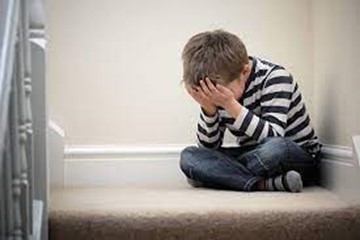
Imagine being given everything you want when you ask for it while you are in your home. Imagine not having to share your toys and imagine not having to be part of a busy classroom where other children are taking the toys you want to play with. Imagine also being told what to do by your teacher …….. You don’t want to, so you make a fuss. You get frustrated and bite, kick, hit, trash the room because you want your own way. This is the experience of some children in our schools and now they need to be taught a different response.


No-one is blaming parents. We were all scared and unsure about what would happen to us and our families. It was unprecedented and we all did the best we could at the time. Now, however, we need to support our children by putting in the boundaries that they need to feel safe and secure. This needs to happen in school but also at home so we need to work in partnership with parents.
Children need to know how to respond when they are told, ‘no’. Screaming, biting, hitting, throwing, kicking is not an appropriate response (but it may make the child feel better at the time). If children have been responding in that way for a long time, it will take a long time to change the response. We, as adults, need to be consistent, stay calm and keep going – nothing will change overnight. Many of these younger children are showing a lack of social skills and will need to be directly taught them. Teach children how to share, cooperate, wait their turn, win at games and how to lose when playing games. Model responses within the classroom and within continuous provision. Praise the children that are doing the right thing. Support children with different responses if they are not sure what they should be doing. Practise how to respond to situations they find difficult when they are calm. Keep practising and use difficult situations as a learning opportunity. Never assume children know how they should respond in different situations so teach them, like you would teach a child to read – step by step.

 Reach Behaviour