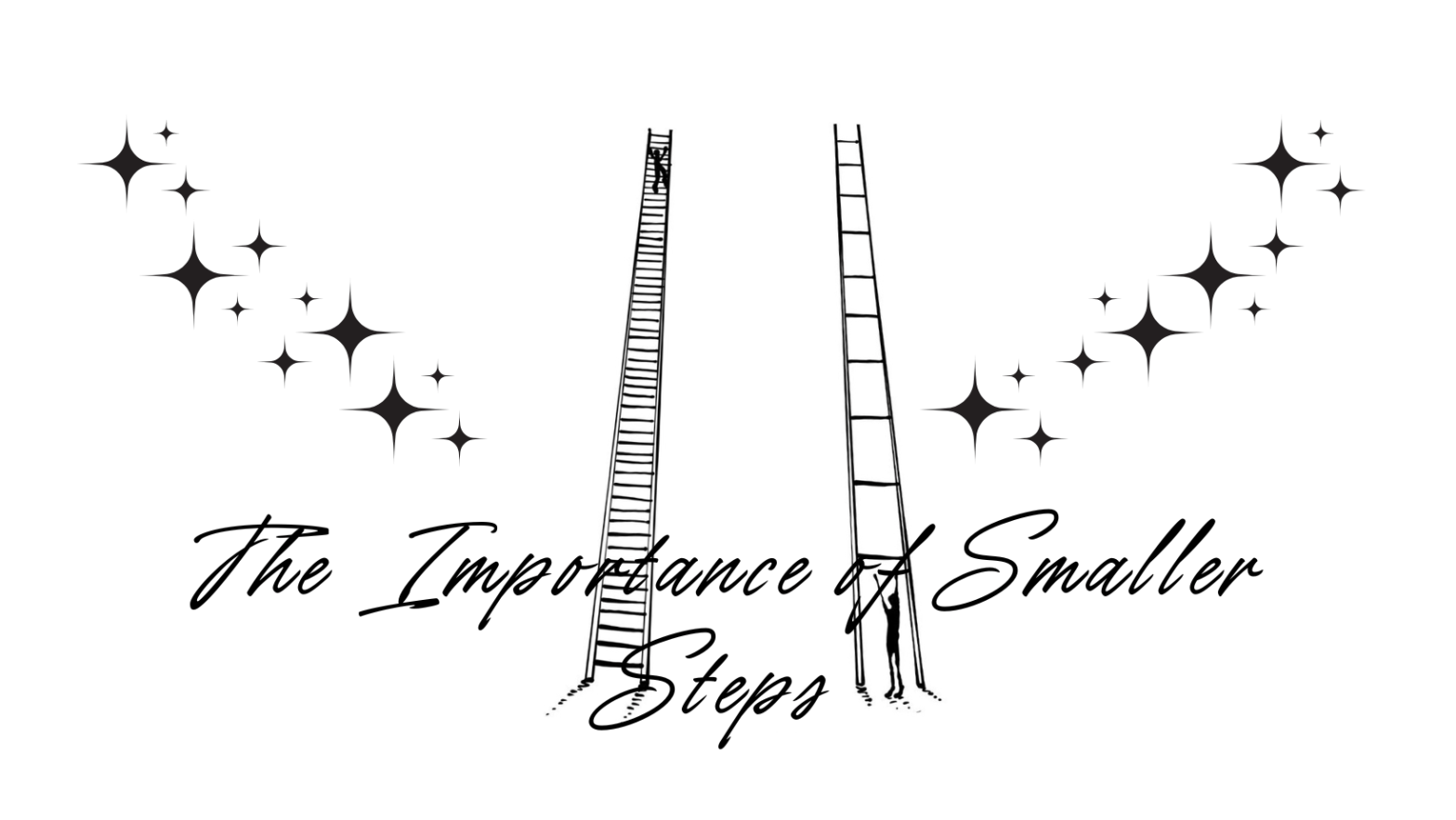
When I first saw this image on Twitter, it really resonated with me. (I looked it up and it is from The Minds Journal). I saw it at the time I was setting up and planning for Reach with Claire. It felt like there was so much to do and there were never enough hours in the day to do it all. The image made me stop and think … just keep going but take one step at a time. I knew that if we slowly worked through everything we needed to do, we would get it all done eventually.
‘One step at a time is all it takes to get you there’ (Emily Dickinson – American poet)
It got me thinking …. When I thought about the whole picture and all the tasks we needed to get through, panic started to set in. That could easily have led to feelings of anxiety and stress and could have resulted in me giving up which, in turn, would have affected my self-esteem. However, when I thought about just the next step and broke the tasks down into small achievable chunks, I felt less stressed and more motivated to keep going. Each time I completed a small task, I felt a sense of achievement and the job felt more doable.
It’s exactly what we need to do with the children on many levels. If we want to improve a child’s behaviour or we want them to develop their emotional literacy or social skills, we obviously need to know what the final outcome will be but practically we need to focus on one specific step at a time. We need the child to feel success and we, as adults, need to acknowledge and celebrate each small step along the way.
When a child finds it difficult to follow rules or to socialise appropriately or they find it difficult to regulate their emotions it is not done quietly. Everyone knows about it because the child is often loud and disruptive. If a child cannot read or write, no one necessarily needs to know. The misread word does not disrupt a lesson – it is just quietly misread. Because of this, adults often want to solve behaviour issues in one go and get frustrated when it doesn’t work. If a child cannot read, you do not give them a chapter book and tell them to get on with it. If a child does not know how to behave in a socially acceptable way, we should not ask them to achieve a target that is too big.
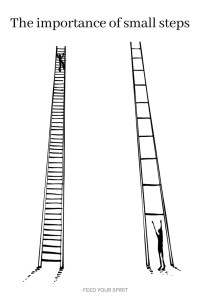
Remember – Small steps will get you there.
 Reach Behaviour